
What’s the Difference Between Veneers and Composite Bonding?
At a quick glance:
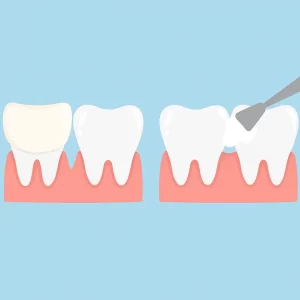
- Veneers are thin porcelain shells placed on the front surface of teeth.
- Bonding uses a tooth-colored composite resin to fix imperfections.
Both can transform your smile, but the process and durability vary. So let’s explore each treatment closely.
Understanding Dental Veneers
What Are Veneers?
Veneers are ultra-thin porcelain shells attached to the front of your teeth. They’re commonly used in cosmetic dentistry because they look incredibly natural and last for many years.
You may hear this treatment referred to when people talk about dental veneers or advanced dental surgery Canberra procedures designed to improve a smile.
How Veneers Work?
Your dentist removes a very thin layer of enamel before placing the veneer. This ensures it fits perfectly and looks natural. A custom veneer is then created specifically for your tooth.
Best For
- Stubborn stains
- Minor misalignment
- Gaps between teeth
- Worn or misshaped teeth
Benefits of Veneers
- Extremely durable
- Highly stain-resistant
- Long-lasting natural appearance
- Custom-made for your smile
Understanding Composite Bonding
What Is Bonding?
Composite bonding is a quicker procedure that uses tooth-colored resin to fix chips, cracks, and small imperfections. It is more affordable than veneers and often doesn’t require enamel removal.
You might see this called bonding composite veneers, cosmetic bonding vs veneers, or even composite resin bonding vs veneers.
Best For
- Small chips
- Minor gaps
- Mild discoloration
- Quick smile touch-ups
Benefits of Bonding
- Affordable
- Fast procedure
- Reversible in most cases
- Looks natural with your existing teeth
Veneers vs. Bonding: A Side-by-Side Comparison
Durability
- Veneers last 10–15+ years.
- Bonding lasts around 3–7 years depending on care.
Stain Resistance
- Veneers resist staining extremely well.
- Bonding can stain over time since resin is more porous.
Aesthetic Quality
Veneers offer a more polished and luminous look. Bonding looks good but not as glossy or reflective.
Cost
Bonding is more affordable upfront. Veneers are costlier but long-lasting.
Tooth Preparation
Bonding usually requires no enamel removal. Veneers require a small amount of shaping.
Is Bonding Better Than Veneers?
The answer depends on what you need.
Bonding may be better if:
- You want a quick, affordable fix.
- You need minor cosmetic improvements.
Veneers may be better if:
- You want a long-lasting, flawless smile.
- You want a more permanent transformation.
There is no single right answer—just the right choice for your goals.
Veneers Versus Bonding for Common Dental Issues
For Gaps
Veneers can reshape the tooth and close the gap permanently. Bonding works well for small gaps.
For Stains
Porcelain veneers hide deep stains. Bonding helps only with mild discoloration.
For Chipped Teeth
Bonding is a quick solution. Veneers provide a long-term, durable fix.
For Tooth Wear
People with bruxism treatment needs (teeth grinding) may benefit from veneers paired with a grinding guard for protection.
Maintenance: Veneers vs Bonding
Caring for Veneers
- Brush and floss daily
- Avoid chewing hard objects
- Regular dental visits
Caring for Bonding
- Be careful with biting hard foods
- Reduce staining foods like coffee and red wine
- Maintain good oral hygiene
When Veneers Might Not Be Suitable?
Veneers may not work well if you have:
- Severe enamel loss
- Active gum disease
- Teeth grinding without treatment
- Very crooked teeth needing orthodontics first
This is why visiting a professional in Canberra is crucial—they can guide your treatment safely.
When Bonding Might Not Be Suitable?
Bonding isn’t ideal if:
- You want major smile changes
- You have a habit of biting nails or pens
- You have large gaps or significant tooth wear
What to Expect During the Procedure?
Veneer Procedure
- Consultation
- Tooth preparation
- Impression taking
- Temporary veneers
- Final veneer placement
Bonding Procedure
- Tooth cleaning
- Applying conditioning gel
- Resin placement
- Shaping and polishing
Bonding usually takes one appointment. Veneers may require two or more visits.
Choosing the Right Option for Your Smile
Ask yourself:
- Do I want a long-term or short-term solution?
- What’s my budget?
- How much change do I want in my smile?
A dentist will also consider tooth health, enamel strength, and bite alignment.
Other Cosmetic Options to Consider
Sometimes veneers or bonding aren’t the only solutions. You might explore:
- Tooth crown options for severely damaged teeth
- Dentistry for kids if the patient is younger
Full dental surgery for structural issues