Treatment for TMJ and Bruxism
You Don't Have to Live with Jaw Pain Discomfort Tension
TMJ (jaw) pain disorders and nightly teeth grinding can damage your teeth and impact your quality of life. Treatment is available.
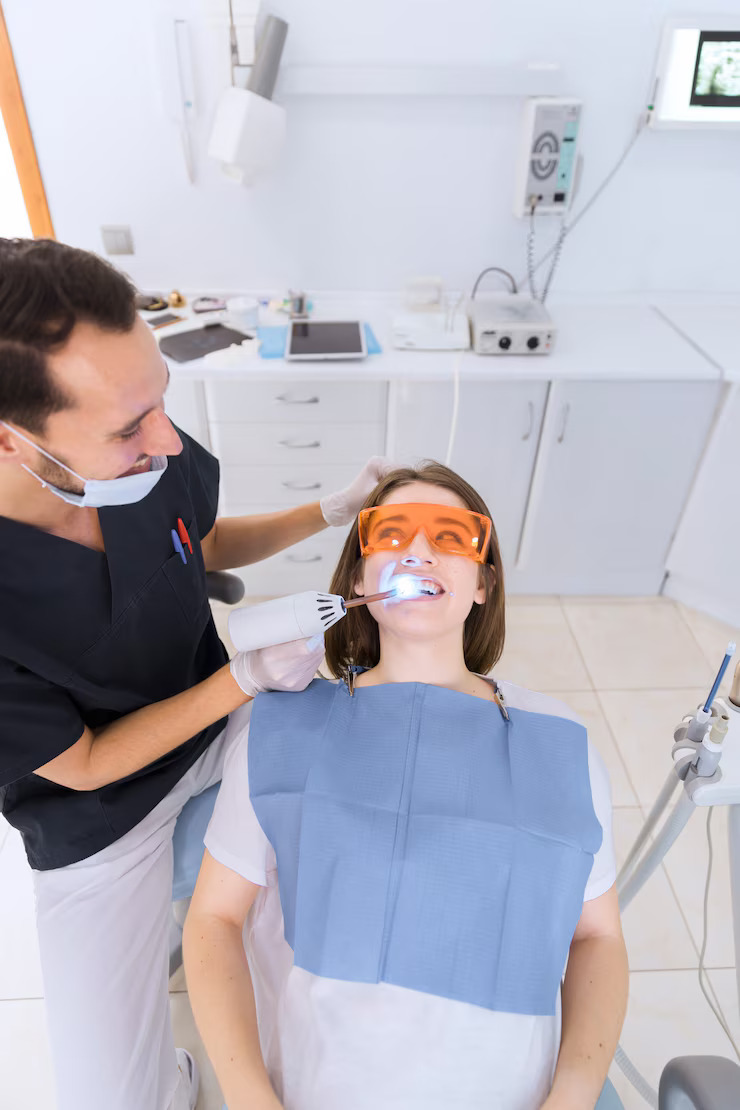
TMJ disorder and bruxism (teeth grinding or jaw clenching) can affect your daily life more than you might think, making it harder to eat, sleep and even smile. Yarra Smiles offers consultations for treatments for TMJ. We evaluate your symptoms, discuss possible contributing factors and explain suitable options based on your individual needs.

If you’re experiencing jaw pain, difficulty chewing or a grinding sound at night, you might be dealing with TMJ (temporomandibular joint) disorders or bruxism. These conditions can significantly impact your quality of life by causing discomfort and potentially damaging your teeth.
At Yarra Smiles in Canberra, our best treatments for TMJ include oral appliance therapy, which can help alleviate symptoms and prevent further complications.
You Deserve a Pain-Free Smile
Proven Relief for Grinding & Jaw Pain—Schedule Today!
What Causes TMJ?
TMJ may be influenced by physical, lifestyle and stress-related factors:
- Stress and anxiety — Jaw muscles can tighten due to emotional stress, leading to clenching during the day or grinding at night.
- Sleep habits and sleep disorders — Bruxism often happens during sleep and may be linked to poor sleep quality, disrupted breathing or other sleep-related concerns.
- Bite alignment issues — If the upper and lower teeth do not meet evenly, the jaw may work harder to find a comfortable resting position, placing extra pressure on the TMJ.
- Jaw muscle tension — Tightness in the jaw, face, neck or shoulders can increase strain around the temporomandibular joint and make everyday movements like chewing or yawning uncomfortable.
- Posture and screen time — Sitting with the head forward or shoulders rounded for long periods can place extra tension on the neck and jaw muscles.
- Lifestyle habits — Chewing gum often, biting nails, chewing on pens or regularly clenching the jaw can overwork the muscles and worsen discomfort.
6 Common Symptoms of TMJ or Bruxism
Our holistic approach to TMJ pain management involves accurately diagnosing your specific symptoms and developing a tailored treatment plan. If you're experiencing any of the following, we encourage you to seek a professional assessment from our trusted family dentist:
1. Chronic Jaw Pain
Aching pain in and around your ear, radiating to your face, neck, or shoulders.
2. Joint Clicking or Popping
Teeth grinding (especially at night). Sounds when you open or close your mouth, which may or may not be painful.
3. Limited Jaw Movement
Difficulty opening your mouth wide, or your jaw getting “locked” in an open or closed position. Indentations on your tongue or inner cheeks.
4. Headaches
Often described as tension headaches or migraines, particularly around the temples. Soreness or tenderness in the muscles around your jaw and temples.
5. Chewing Difficulty
Pain or discomfort while eating, or a change in how your upper and lower teeth fit together. Plus, visible signs of worn enamel or cracked teeth.
6. Tinnitus and Ear Pain
Pain that feels like an earache but isn’t. While not always TMJ-related, it can sometimes be a symptom.
At Yarra Smiles, we support patients with personalised care for jaw pain and teeth grinding. Alongside treatments for TMJ disorder, our Canberra clinic also provides general dentistry to help maintain healthy teeth and gums as well as cosmetic dentistry for patients who want to improve the appearance of their smile. Contact us now to book an appointment.
We believe in treating the root cause, not just masking the pain. We start with a detailed consultation, understanding your lifestyle, stress levels, symptoms, and dental history, followed by a physical assessment and imaging if needed. From there, we customise a treatment plan that may include.
Custom-made dental appliances are often the first line of defence. They are designed to do more than just protect your teeth – they actively reduce joint strain and help your muscles relax.
Occlusal Splints
These precision-fitted devices prevent your upper and lower teeth from grinding together at night. They also help guide your jaw into a more restful position, relieving pressure on the joints.
Custom Night Guards
Unlike over-the-counter options, our guards are made from medical-grade materials and are tailored to your bite. They not only shield your teeth but also reduce the frequency and intensity of nighttime clenching.
2. Physical Therapy & Jaw Exercises
TMJ-related discomfort often stems from tension in the jaw and facial muscles. We show you how to perform easy-to-follow exercises that:
- Improve jaw range of motion
- Promote healthy joint alignment
- Ease tight muscles and reduce facial strain. These techniques can significantly reduce symptoms when practised consistently.
3. Lifestyle Support & Stress Management
You might be surprised how often stress plays a central role in TMJ and bruxism. We’ll work with you on:
- Identifying and managing daily stress triggers
- Improving your posture, especially during work or screen time
- Developing a nighttime routine that supports deeper sleep and less jaw tension.
4. Bite Adjustment or Orthodontic Solutions
In cases where your bite doesn’t align properly, we may suggest:
- Subtle dental adjustments to restore bite balance
- Orthodontic treatment (like clear aligners) to realign your teeth and reduce pressure on your TMJs. Fixing bite issues can often eliminate the root cause of bruxism entirely.
5. Medication (If Necessary)
For short-term relief, especially during flare-ups, we might recommend:
- Anti-inflammatory medications to reduce swelling
- Muscle relaxants to ease clenching
- Prescription pain relief (only when necessary and carefully managed). These options are always combined with more sustainable, non-invasive strategies.
What Are TMJ Disorders and Bruxism?
Oral Appliance Therapy for TMJ Treatment in Canberra
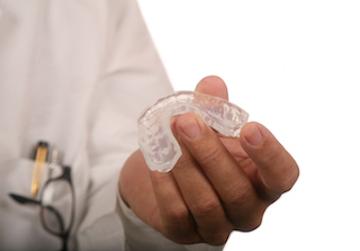
Oral appliance therapy is a highly effective treatment for TMJ disorders and bruxism. This non-invasive solution involves wearing a custom-fitted device called a nightguard, bite splint, or occlusal guard, which helps manage jaw alignment and prevent teeth grinding.
Most nightguards are made of hard acrylic, which is softer than teeth enamel and absorbs the brunt of teeth grinding.
Benefits of Oral Appliances
Reduce Stress on the Jaw — Appliances can help redistribute the force when you clench your jaw, reducing the pressure on your TMJ and alleviating pain.
Prevent Tooth Damage — These devices prevent tooth wear caused by grinding by providing a barrier between your upper and lower teeth. They also help preserve your natural tooth structure.
Improve Sleep Quality — Reducing teeth grinding helps decrease sleep disturbances, leading to a more restful night’s sleep.
What to Expect with Oral Appliance Therapy
Initial Consultation —Your dentist will evaluate your symptoms to determine if oral appliance therapy is suitable for you. This includes examining your jaw and teeth alignment and possibly taking dental x-rays.
Custom Fitting — Once deemed a suitable candidate, impressions of your teeth will be taken. We use these impressions to create a custom oral appliance tailored to your specific needs.
Follow-Up Appointments — After receiving your appliance, follow-up visits are crucial. Your dentist will check the fit, make necessary adjustments, and assess the appliance’s effectiveness in alleviating your symptoms.
Managing TMJ and Bruxism Long-Term
Alongside oral appliance therapy, managing stress, practising relaxation techniques, and maintaining good dental hygiene contribute to long-term relief from TMJ disorders and bruxism.
Regular dental check-ups also play a critical role in monitoring your condition and preventing future dental issues.
TMJ and Teeth Grinding Treatment in Canberra, ACT
If you’re experiencing any symptoms related to TMJ disorders or bruxism, discuss with your dentist whether oral appliance therapy could be the right solution for you. It’s a straightforward approach that could significantly improve your oral health and overall well-being. We welcome your call.

Treatment for TMJ and Bruxism Specials

Smile Now, Pay Later with National Dental Plan
Smile Now, Pay Later with National Dental Plan
We’ve partnered with National Dental Plan to make your treatment more affordable — no interest, ever.
What is the National Dental Plan?
It’s a flexible payment plan that lets you spread the cost of dental care over time, with no interest and no need to delay important treatment.
Here’s what you get:
- Up to $20,000 in coverage
- Interest-free payments over 24 months
- Fortnightly payments from just $80
- Instant approval in practice (within 5 minutes)
- No upfront deposit required
Whether you need a minor fix or a major procedure, you can get the care you need — now.
Meet Our Dentist

Dr Shamsi Kiran BDS, MRACDS
Dr Kiran (DEN0001717593) graduated in 2005 with a Bachelor of Dental Surgery (BDS). She provides a broad range of general dental services and sees patients of all ages, including children.
Over the past few years, Dr Kiran has been successful in helping patients with significant dental anxiety. She will be happy to help you if past unpleasant dental experiences keep you from visiting a dentist. She is passionate about educating her patients about their oral health and what role they can play in maintaining their oral health.
FAQs
What is TMJ, and how do I know if I need treatment?
TMJ is the temporomandibular joint, which connects your jawbone to your skull. When this joint or the surrounding muscles are not working comfortably, it may lead to a TMJ disorder.
How does bruxism affect my jaw, and what treatment is available?
Bruxism is teeth grinding or jaw clenching, often during sleep. Over time, it can place extra pressure on the jaw joints and facial muscles, which may lead to jaw soreness, headaches, tooth wear and disrupted sleep. At Yarra Smiles, treatment for bruxism may include a custom-made night guard, bite splint or occlusal appliance. Depending on your symptoms, your dentist may also recommend jaw exercises, stress management strategies, posture changes, bite adjustments or orthodontic options such as clear aligners.
What makes your clinic the best choice for treatment for TMJ?
Yarra Smiles offers a bespoke approach to treatment for TMJ disorder, focusing on more than short-term pain relief. The clinic provides custom oral appliances as well as guidance around jaw exercises, stress triggers, posture and long-term symptom management. Yarra Smiles also offers a calming, non-judgemental environment for patients with dental anxiety, along with flexible payment support through the National Dental Plan.
Are treatments for TMJ disorder painful or invasive?
Many treatments for TMJ disorder and bruxism are non-invasive. At Yarra Smiles, oral appliance therapy is often used to help manage symptoms without surgery. Your dentist may also recommend simple jaw exercises, relaxation techniques or short-term medication during flare-ups if appropriate.
How long does it take to see results from treatment for bruxism or TMJ?
The time it takes to see results can vary depending on your symptoms, the cause of your jaw discomfort and how consistently you follow your treatment plan. If you’re using oral appliances, you may notice early improvements, such as reduced muscle tension or fewer morning headaches, within 2 to 6 weeks. However, significant improvement or full stabilisation of the jaw usually takes 3 to 6 months of consistent care.
Can TMJ and bruxism be fully cured?
TMJ disorders and bruxism cannot always be fully cured, especially when they are linked to stress, sleep habits, bite issues, posture or muscle tension. However, they are often highly manageable with consistent care. To ensure long-term relief and protect your teeth from further damage, follow your dentist’s advice, wear your custom appliance as instructed and attend follow-up appointments.
How do I start treatment for TMJ or bruxism?
To start treatment for TMJ or bruxism, book a consultation in our Canberra clinic. Our dentist will review your symptoms, look for signs of tooth wear or pressure and assess your bite. If needed, dental X-rays may also be taken to help rule out other concerns and guide the next step in your treatment.
Do You Wake Up with a Headache or Migraine?
Discover smarter ways to care for your smile. Subscribe for expert advice and clinic news.