Why Coffee Gets a Bad Reputation in Dentistry?
Dentists often talk about coffee because it affects teeth in more than one way. Coffee is dark, acidic, and usually consumed often. That mix can cause trouble over time. The big concerns are staining, enamel wear, and gum irritation. This does not mean you must quit coffee forever. It means you should understand how it works on your mouth.
Does Coffee Damage Your Teeth Over Time?
A common question patients ask is, does coffee damage your teeth if they drink it daily? The answer depends on how much you drink and how you care for your teeth. Coffee itself is not sugar heavy. That is good. But it is acidic. Acid can soften tooth enamel. When enamel softens again and again, teeth become more sensitive and easier to stain.
So yes, does coffee harm teeth in the long run? It can, if habits are poor.
Does Coffee Erode Tooth Enamel?
Many people worry about enamel. And rightly so. Enamel does not grow back. So, does coffee erode tooth enamel? Coffee has mild acids that can weaken enamel when exposed often. This is worse if you sip coffee slowly for hours or brush right after drinking it. When enamel weakens, teeth feel sensitive to hot and cold. They also stain faster.
A good trick is to wait at least 30 minutes before brushing. This gives enamel time to harden again.
How Bad Does Coffee Stain Teeth?
One of the most visible effects is staining. People often ask, how bad does coffee stain teeth compared to tea or soda? Coffee contains tannins. These stick to tiny pores in enamel and cause yellow or brown stains. The more often you drink it, the deeper stains can get.
Adding milk can reduce staining a little. Drinking water after coffee helps even more.
Are Lattes Bad for Your Teeth?
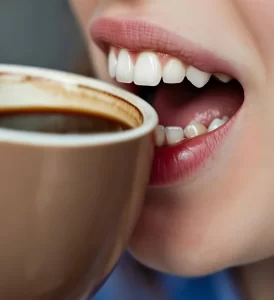
You might think milk makes coffee safer. It helps, but not fully. So, are lattes bad for your teeth? Lattes still contain coffee acids. Milk adds calcium, which is good, but many lattes also include flavored syrups. Sugar feeds harmful bacteria.
Sweet lattes can increase the risk of cavities if you drink them often.
Coffee Bad for Gums: Is That True?
Yes, this part often gets ignored. Coffee bad for gums is a real concern. Coffee can dry out your mouth. Less saliva means bacteria grow faster. This can irritate gums and increase the risk of gum disease. If you already have sensitive gums, coffee may worsen redness or bleeding. Drinking water and keeping up with cleanings helps protect your gums.
Does Temperature Matter When Drinking Coffee?
Very hot coffee can stress teeth. Sudden heat causes teeth to expand slightly. Over time, this can lead to tiny cracks. Let your coffee cool a bit. Warm is better than burning hot for enamel safety.
The Right Way to Drink Coffee Without Harming Teeth
You do not have to quit coffee. You just need smarter habits. Drink coffee in one sitting instead of sipping all day. Use a straw when possible, especially for iced coffee. Rinse your mouth with water after finishing. Avoid brushing right away. Give it time.
Coffee and Dental Treatments: What to Know?
If you have dental work, coffee matters even more. Fresh fillings, a tooth crown silver, or whitening treatments can stain quickly if coffee is consumed too soon. Dentists often recommend avoiding coffee for at least 48 hours after cosmetic work. Patients who visit a root canal specialist are also advised to limit staining drinks during healing.
Preventive Dental Options That Help Coffee Drinkers
Good news. Dentists have solutions. Regular cleanings remove surface stains. Fluoride strengthens enamel. Sealants help protect weak areas. These are all part of preventive dental options that reduce long term damage. Custom night guards can also help if coffee increases teeth grinding due to caffeine.
When Coffee Makes Dental Problems Worse?
If you already have cavities, enamel erosion, or gum disease, coffee can speed up damage. People with jaw pain or clenching should also be careful. Caffeine can increase muscle tension. Clinics like a tmj clinic Deakin often advise reducing caffeine for jaw health.
Balancing Coffee With Good Oral Care
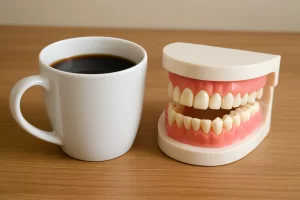
Here is the balance. Coffee is not evil. Poor habits are. Brush twice daily. Floss once. Drink water often. Visit your dentist every six months. These basics make a huge difference.
If stains or sensitivity show up, do not ignore them.
When to See a Dentist About Coffee Damage?
If your teeth feel sensitive, look darker, or gums bleed, it is time to see a dentist. Patients in Australia often search for a dentist in Canberra city for regular checkups and stain removal. Early care prevents bigger problems later.