
What is Fluoride?
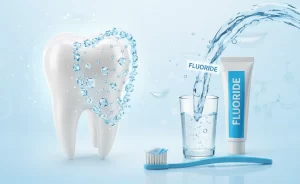
Fluoride is a naturally occurring mineral found in water, soil, plants, and even certain foods. Dentists have used it for decades because fluoride is good for teeth—it strengthens enamel, reduces tooth decay, and helps fight bacteria in the mouth.
How Does Fluoride Work on Teeth?
Think of enamel as your teeth’s shield. Over time, acids from food, bacteria, and sugar wear it down. Fluoride acts like a repair crew, remineralizing weak spots and creating a tougher surface. That’s why fluoride tooth paste and fluoride treatments are so effective.
Fluoride in Drinking Water
Many communities add fluoride water to public supplies, a practice that has lowered cavity rates worldwide. While some question, “fluoride, is it bad for you?” Most dental experts agree that controlled amounts of fluoride in water are safe and beneficial.
The Role of Fluoride Toothpaste
Everyday brushing with fluoride tooth paste gives your teeth a daily defense against decay. High-risk patients may be prescribed high fluoride tooth paste, offering extra strength for enamel repair.
For those who prefer alternatives, there are tooth paste without fluoride and non fluoride tooth paste options, but these don’t provide the same cavity-fighting protection.
Fluoride Treatments at the Dentist
Professional fluoride treatments or dental fluoride treatment are often recommended if you’re prone to cavities. These are stronger than toothpaste and can be applied as gels, foams, or varnishes by your dentist.
What About Fluorosis?
While fluoride is powerful, too much of it—especially during childhood—can lead to fluorosis or dental fluorosis, which causes faint white spots on teeth. Severe cases, though rare, may result in fluorosis teeth with visible stains.
Luckily, dental fluorosis treatment and cosmetic solutions like cosmetic dentistry Canberra can improve appearance if discoloration occurs.
Is Fluoride Bad for You?
A common concern is: fluoride, is it bad for you? The truth is, when used correctly, it’s safe. Problems generally arise only from excessive intake, not normal use of fluoride tooth paste or fluoride water. Moderation is key—too little fluoride weakens teeth, too much risks fluorosis.
Fluoride for Kids
Children benefit greatly from fluoride because their teeth are still developing. Dentists may recommend small amounts of fluoride tooth paste (a rice-sized smear for toddlers) and periodic fluoride treatments to give them the best defense against cavities.
Fluoride and Dental Procedures
Fluoride complements many dental treatments. Whether you need teeth extraction, a root canal specialist, or dental bridges, fluoride strengthens your surrounding teeth, helping prevent further problems and protecting your smile.
Fluoride vs. Non-Fluoride Options
Some prefer tooth paste without fluoride or non fluoride tooth paste due to personal concerns or sensitivity. While these may freshen breath and clean teeth, they can’t match fluoride’s ability to strengthen enamel. If you choose these options, consider extra protection through dental fluoride treatment at your clinic.
High Fluoride Toothpaste – Who Needs It?
Dentists often prescribe high fluoride tooth paste for patients with frequent cavities, weak enamel, or after procedures like root canals. This extra boost offers intensive protection and prevents further decay.
Cosmetic Solutions for Fluorosis Teeth
If you’re worried about fluorosis teeth, modern dentistry provides solutions. Treatments such as whitening, veneers, and cosmetic dentistry in Canberra can restore the natural beauty of your smile while keeping teeth healthy.
Why Fluoride is Good for Teeth?
At the end of the day, fluoride is good for teeth because it strengthens enamel, prevents cavities, and supports overall oral health. So, fluoride, is it good for you?—absolutely, as long as it’s used responsibly.
2 Responses