The Basics of Toothbrushing
Before diving into electric toothbrush vs regular toothbrush, it’s important to understand why brushing matters so much. Brushing helps remove food particles, plaque, and bacteria that can lead to cavities and gum disease. Both manual and electric toothbrushes are designed to do the same job—just in slightly different ways.
What Is a Manual Toothbrush?
A manual toothbrush is the classic brush we’ve been using for decades. It’s simple, affordable, and doesn’t need batteries or charging. You control the brushing speed, pressure, and technique entirely by hand.
Pros of a Manual Toothbrush
- Affordable: Manual toothbrushes are inexpensive and easy to replace.
- Easily Available: You can find one anywhere—from local stores to dental clinics.
- Control: You decide how much pressure to apply and how long to brush.
- Variety: Available in different bristle strengths and designs.
Cons of a Manual Toothbrush
- Technique Dependent: If your brushing technique isn’t correct, you may miss spots.
- Harder to Track Time: Many people don’t brush for the recommended two minutes.
- Less Effective for Certain Users: People with limited mobility might find it harder to brush effectively.
What Is an Electric Toothbrush?
An electric toothbrush, sometimes called a mechanical toothbrush, is powered by batteries or electricity. It uses automated bristle movements—either oscillating or vibrating—to clean teeth more efficiently.
Pros of an Electric Toothbrush
- Superior Cleaning Action: Studies suggest electric toothbrushes remove more plaque than manual ones.
- Built-in Timers: Many models include timers to ensure you brush for the correct duration.
- Ease of Use: Ideal for kids, elderly individuals, or anyone with limited dexterity.
- Fun Factor: The technology and design can make brushing more enjoyable.
Cons of an Electric Toothbrush
- Cost: They are more expensive than manual ones.
- Maintenance: Need recharging or battery replacement.
- Travel Convenience: Can be less portable compared to manual toothbrushes.
Are Electric Toothbrushes Better?
This question—are electric toothbrushes better—is one of the most common asked by dental patients. Research shows electric toothbrushes can remove up to 21% more plaque and reduce gingivitis more effectively than manual brushes.
However, the answer depends on your brushing habits. If you’re disciplined and brush properly, a manual toothbrush can perform just as well. But for most people, the automatic motion and timers of electric brushes ensure better consistency.
Electric Toothbrush vs Regular Toothbrush: Technique Matters
When comparing electric vs regular toothbrush, the biggest difference lies in how you use them. Manual brushing requires circular motions and steady pressure, while electric brushing only needs gentle guidance.
Many dentists agree that poor technique with a manual toothbrush can lead to over-brushing or missing areas—something electric brushes are designed to prevent.
Which Electric Toothbrush Is Better?
If you decide to go electric, you might wonder, which electric toothbrush is better? Popular models from Oral-B, Philips Sonicare, and Colgate come highly recommended by dental professionals. Look for features like:
- Pressure sensors to prevent gum damage
- Multiple cleaning modes
- Long battery life
- Replaceable brush heads
These small features can make your brushing experience more effective and comfortable.
Electric Toothbrush vs Normal Toothbrush for Children
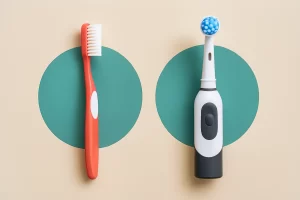
When it comes to kids, brushing can feel like a chore. An electric toothbrush vs normal toothbrush comparison often favors the electric version because it’s more engaging. The fun designs and automatic movements encourage children to brush longer and more often—creating healthy habits early on.
Are Automatic Toothbrushes Better for Sensitive Teeth?
If you have sensitive gums or enamel, you might wonder, are automatic toothbrushes better for you? Electric brushes with soft bristles and pressure sensors can help you brush gently without overdoing it. Some models even include special “sensitive” modes for extra comfort.
Mechanical Toothbrush vs Manual: For People with Braces or Limited Mobility
For individuals with braces, arthritis, or limited mobility, a mechanical toothbrush vs manual debate has a clear winner—electric. The automatic bristle movement helps reach tricky spots around brackets and wires, ensuring a deeper clean with less effort.
Electric Toothbrush vs Regular Toothbrush: Environmental Impact
From an eco-friendly perspective, manual brushes are often better since they don’t rely on electricity or batteries. However, some electric toothbrush brands now offer replaceable heads and recyclable components to reduce waste.
Dental Expert’s Recommendation
Dentists generally recommend whichever toothbrush helps you maintain consistent oral hygiene. Whether manual or electric, brushing twice daily for two minutes and using proper technique is what really matters. Regular check-ups and cleanings are just as important.
If you visit clinics like unique dental deakin, you can get professional advice tailored to your oral health. Their dentists might recommend specific brush types or techniques depending on your dental condition.
The Importance of Preventive Dental Care
No matter which brush you use, preventive dental options such as routine cleanings, fluoride treatments, and check-ups can prevent major issues down the line. Remember, brushing is just one part of maintaining a healthy smile—professional care matters too.
Brighten Your Smile with Professional Whitening
Looking for more than just a clean mouth? Services like dentist teeth whitening can enhance your smile and confidence. While electric toothbrushes help maintain brightness, only professional whitening can safely achieve noticeable results.
General Dental Care and Crowns
If you experience tooth decay or damage, general dental services like fillings and cleanings can restore health. In some cases, you might need a silver tooth crown to protect weakened teeth and prevent further damage.
One Response